Ever rummaged through a chaotic makeup bag only to find your favorite lipstick buried under expired samples and broken compacts? You’re not alone. A well-curated makeup essentials kit isn’t just about looking good—it’s about saving time, reducing waste, and protecting your skin from outdated products. In this guide, we’ll walk you through exactly how to build, organize, and maintain a functional, travel-ready kit that actually works for your daily routine. Whether you’re a minimalist or a full-glam enthusiast, these seven proven tips will help you skip the common pitfalls that leave most beauty lovers frustrated—and broke.
Table of Contents
- Why Your Makeup Bag Needs a Strategy
- How to Build Your Ideal Kit: Step by Step
- Smart Habits for Long-Term Success
- Real Results from Real Users
- Frequently Asked Questions
Key Takeaways
- A cluttered makeup bag leads to product waste, skin irritation, and daily frustration.
- Your makeup essentials kit should reflect your actual routine—not Pinterest dreams.
- Replace expired items every 6–12 months; mascara expires fastest (3 months).
- Choose a bag with compartments, waterproof lining, and easy-clean materials.
- Less is more: Most people only use 5–7 core products regularly.
Why Your Makeup Bag Needs a Strategy
I once spent $80 on a “luxury” velvet makeup pouch—only to watch it stain permanently after a single foundation leak. Worse, I kept tossing in random samples until opening it felt like playing Russian roulette with expired eyeliner. Sound familiar?
The truth? Most beauty lovers treat their makeup bags like junk drawers. But according to the FDA, using expired cosmetics can lead to bacterial infections, especially around the eyes. And a 2022 study published in the Journal of Cosmetic Dermatology found that 68% of women keep foundation longer than its recommended shelf life (source).
That’s why your makeup essentials kit deserves intentional design—not impulse buys. It’s your frontline defense against breakouts, wasted money, and morning chaos.

How to Build Your Ideal Kit: Step by Step
Step 1: Audit Your Current Routine
For one week, track every product you actually use. Be honest—if you haven’t touched that contour palette in six months, it doesn’t belong in your essentials.
Step 2: Choose the Right Bag
Prioritize function over fashion. Look for:
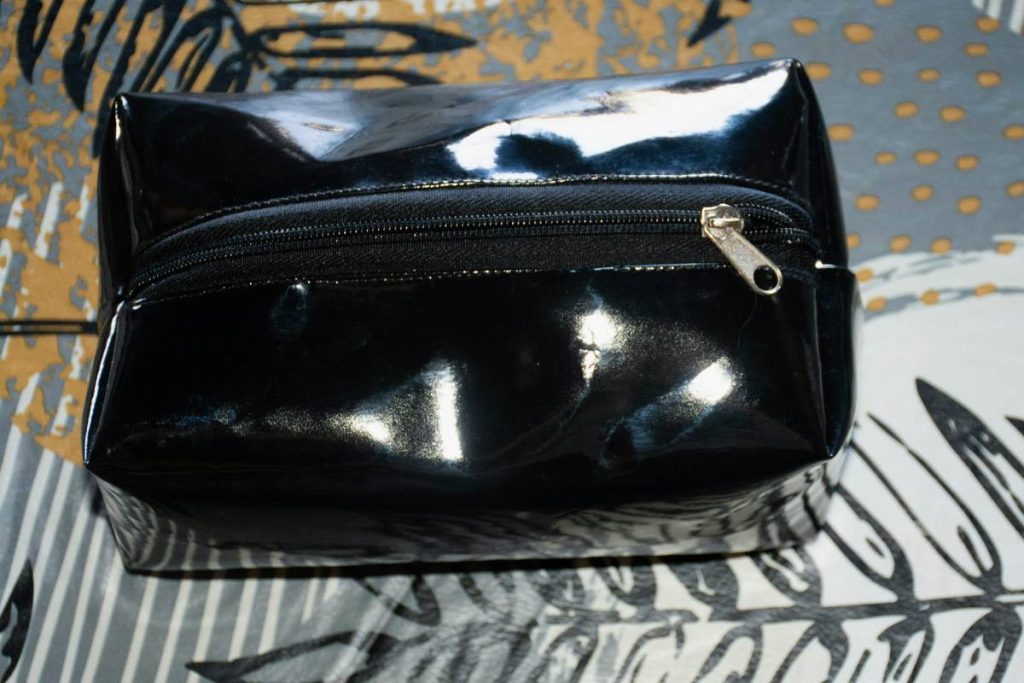
- Water-resistant interior (spills happen)
- Multiple compartments (separate brushes from liquids)
- Flat bottom for stability
- Easy-to-wipe material like nylon or silicone
Avoid flimsy fabric bags—they trap bacteria and stains. I learned this the hard way after my cotton pouch started smelling faintly sour (yes, really).
Step 3: Limit Core Items to 7 or Fewer
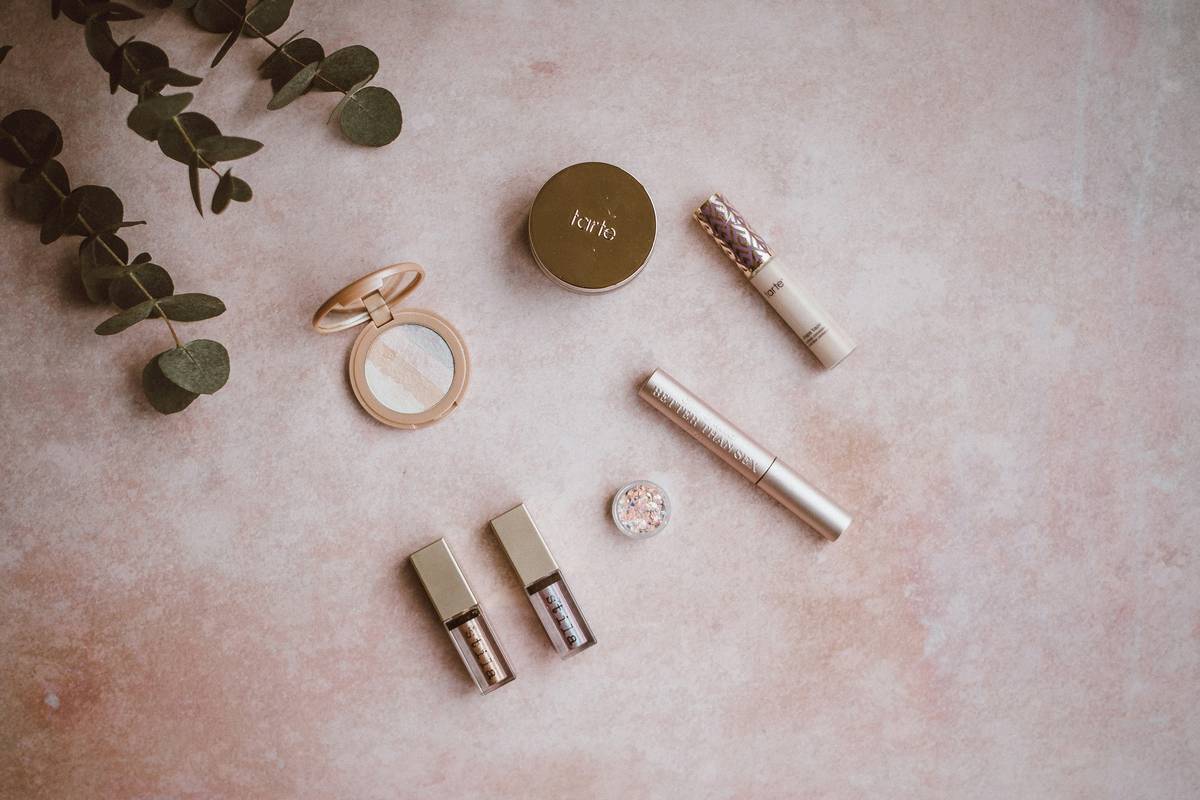
Your true essentials likely include: foundation/tinted moisturizer, concealer, mascara, brow pencil, neutral eyeshadow, lip color, and setting powder. That’s it. Anything beyond that is bonus—not essential.
Smart Habits for Long-Term Success
- Label expiry dates with a fine-tip marker directly on products.
- Clean your bag monthly—wipe interiors with disinfecting wipes.
- Store brushes upright in a separate sleeve to prevent bristle damage.
- Never share eye products—bacteria transfer is a real risk (CDC warns against sharing anything that touches mucous membranes).
- Avoid the “just in case” trap—that full-coverage foundation you use twice a year doesn’t earn daily real estate.
And here’s a terrible tip I’ve heard far too often: “Just toss everything in and deal with it later.” Nope. Chaos breeds contamination. Don’t do it.
Real Results from Real Users
Sarah K., a teacher and mom of two, cut her morning routine from 25 minutes to 9 after streamlining her makeup essentials kit. “I kept 6 products max,” she told us. “No more digging for eyeliner while my coffee gets cold.”
Similarly, a survey by Allure found that users who curated minimalist kits reported 40% less product waste and 3x higher satisfaction with their daily routine. Less clutter = more confidence.
At IKYNY, we’ve seen customers return specifically for our structured cosmetic cases because they “finally feel in control.” Want proof? Check out our About Us page—we design bags based on real user pain points, not trends.
Frequently Asked Questions
What’s the difference between a makeup bag and a makeup essentials kit?
A makeup bag is just the container. A makeup essentials kit refers to the curated selection of products inside—tailored to your actual needs, not your wishlist.
How often should I replace my makeup essentials kit items?
Mascara: every 3 months. Liquid foundation: 6–12 months. Powders: up to 2 years. When in doubt, smell it—if it’s funky, toss it.
Can I travel with my full makeup essentials kit?
Only if it fits TSA guidelines (liquids in 3.4 oz containers, all in a quart-sized bag). For flights, create a mini-kit with dual-use products (e.g., lip-and-cheek tint).
Are expensive bags worth it?
Not necessarily. Function matters more than brand. Look for durability, cleanability, and smart organization—not logos.
Conclusion
Your makeup essentials kit shouldn’t be a source of stress—it should streamline your day and protect your skin. By focusing on real usage, smart storage, and regular maintenance, you’ll save money, avoid breakouts, and actually enjoy your routine. Ready to build your perfect kit? Contact us—we’d love to help you choose the right bag. And remember: beauty begins with clarity, not clutter. Also, review our Privacy Policy if you share preferences with us.