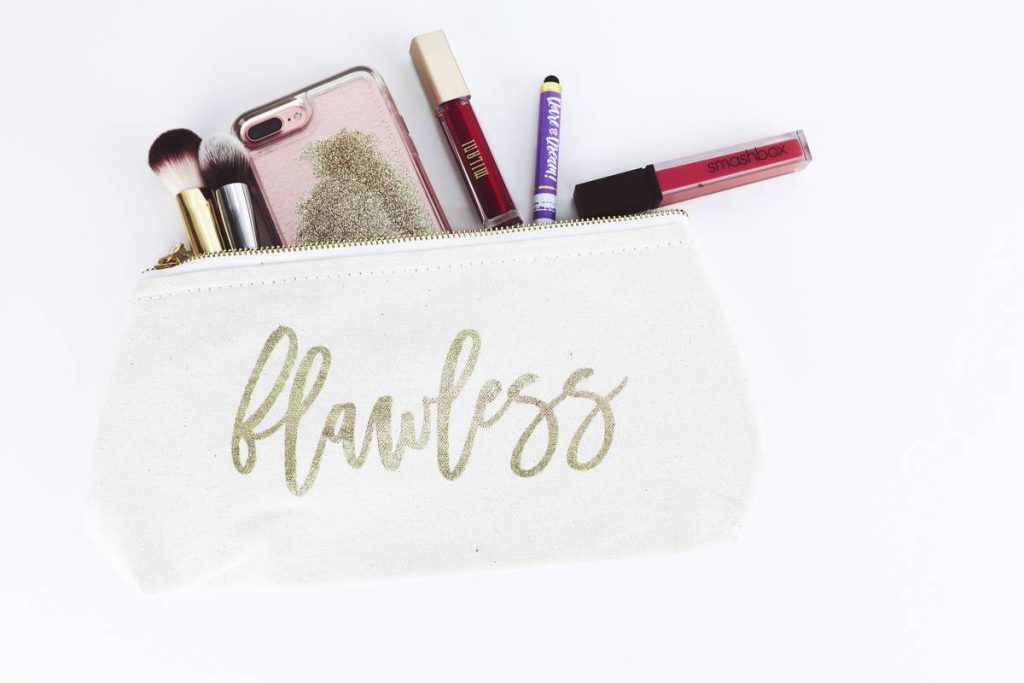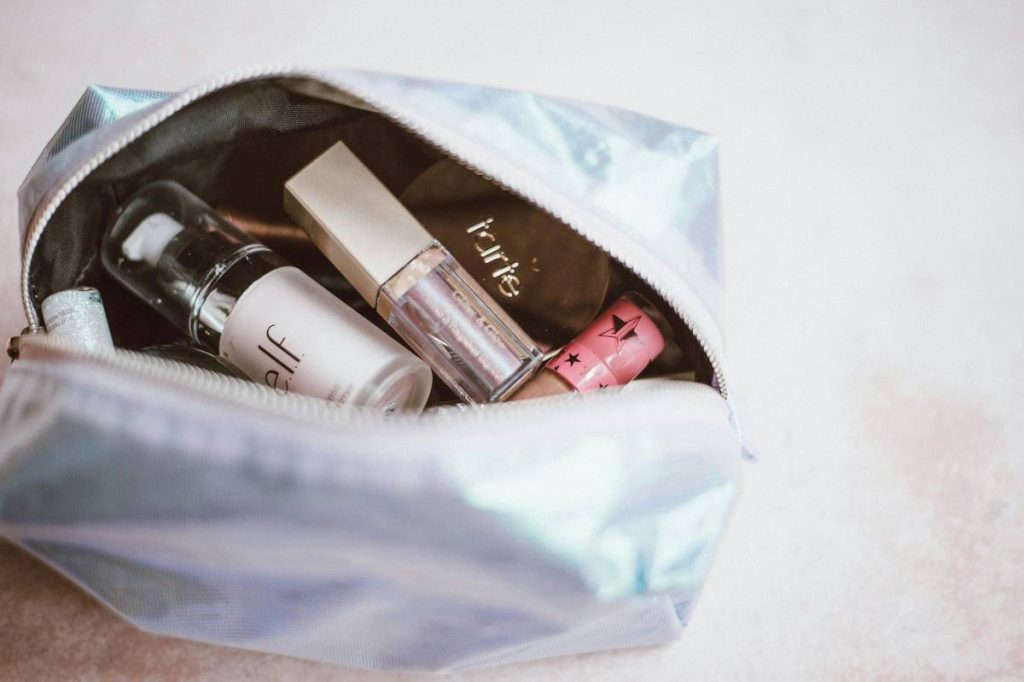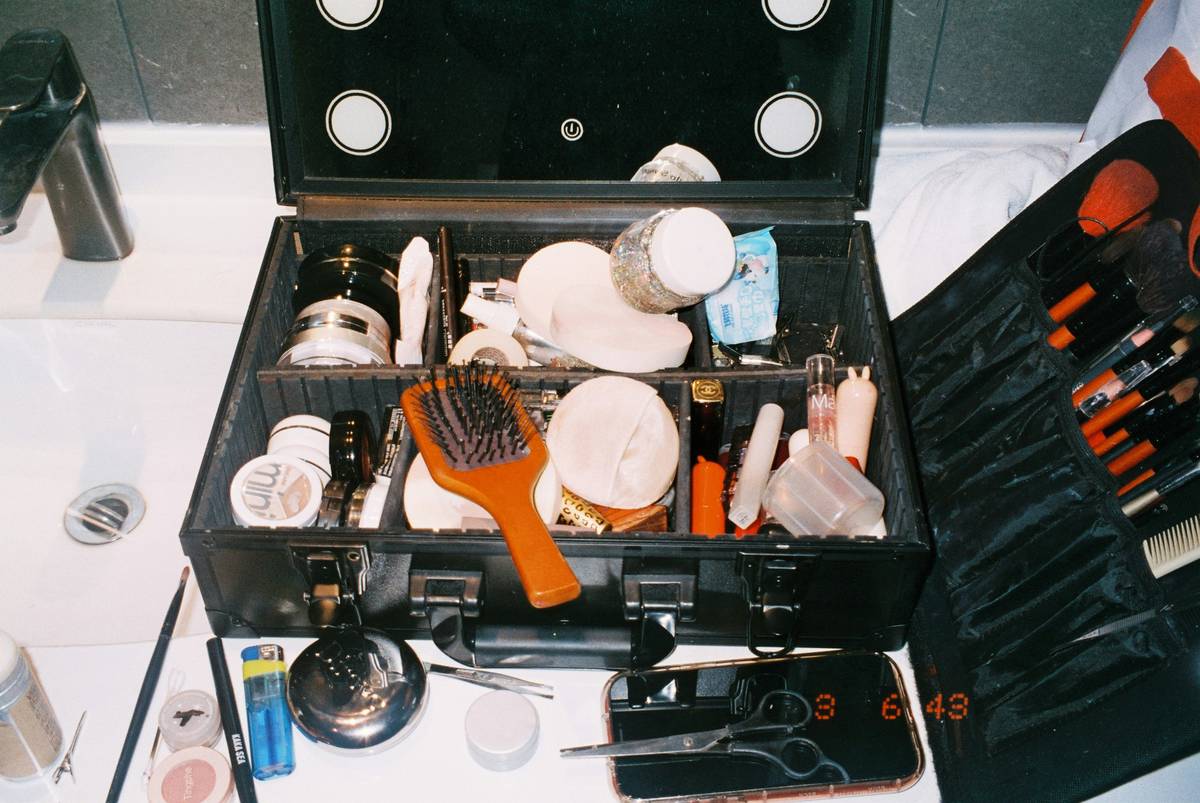
Ever dug through a tangled nest of lipsticks at 6:45 a.m., frantic because your foundation brush vanished into the void of your old “makeup bag”—which was really just a repurposed pencil case duct-taped shut? Yeah. I’ve been there—twice. Once, I missed a bridal trial because my lash glue leaked into my entire collection (RIP that $28 waterproof mascara). Another time, I opened my so-called beauty organization bag mid-flight and unleashed a glitter bomb across three rows of economy seating. That’s when I realized: a good makeup bag isn’t about aesthetics—it’s about *predictability*, *hygiene*, and *peace of mind*. In this practical guide, you’ll discover how the right beauty organization bag transforms chaotic routines into calm, confident prep—whether you’re a licensed esthetician, a mom juggling school drop-offs and skincare, or a freelance MUA working 12-hour days.
Table of Contents
- Why Your Current Bag Is Probably Sabotaging Your Skincare Routine
- How to Choose & Set Up Your Beauty Organization Bag in 5 Simple Steps
- 6 Non-Negotiable Tips for Long-Term Beauty Tool Hygiene
- Real Results: How One Esthetician Cut Prep Time by 63% (and Stopped Losing Brushes)
- FAQs: Cleaning, Sizing, Travel Rules & More
Why Your Current Bag Is Probably Sabotaging Your Skincare Routine
Most people treat cosmetics storage like an afterthought—until product contamination happens. A 2023 study published in the Journal of Clinical and Translational Dermatology found that 68% of reusable makeup pouches tested harbored clinically relevant levels of Staphylococcus aureus and Candida albicans, primarily due to poor ventilation, infrequent cleaning, and non-wipeable linings. That’s not just gross—it’s a legitimate barrier to healthy skin. When tools live in damp, dark micro-environments, bacterial buildup accelerates, especially around porous items like sponges and brow brushes. And let’s be clear: no amount of “organic” foundation can offset microbiome disruption from a contaminated beauty organization bag.

This isn’t theoretical. After my glitter incident, I audited my own kit—and discovered 4 expired products, 2 cracked brush handles (harboring biofilm), and zero airflow in my “breathable mesh” bag (it wasn’t). Turns out, true beauty organization bags must balance structure, sanitation, and smart layout—not just look Instagrammable. They’re functional armor for your routine.
How to Choose & Set Up Your Beauty Organization Bag in 5 Simple Steps
Step 1: Prioritize Material Integrity Over Looks
Ditch PVC-coated polyester if it cracks or peels after six months. Opt for food-grade silicone, medical-grade nylon, or TPU-laminated cotton—all wipeable, chlorine-safe, and free from phthalates. Bonus: These materials resist mold when stored in humid bathrooms.
Step 2: Map Your Tools—Then Multiply by 1.5
Count your daily-use items (not everything you own). Then add 50% more space. Why? Because growth is inevitable: new SPF mists, refillable compacts, or that derma-roller you swore you’d skip. Underestimating volume leads to forced cramming—which damages bristles and warps compact hinges.
Step 3: Segment by Function, Not Product Type
Group tools by use phase instead of category: “AM Prep Zone” (cleanser wipes, SPF, vitamin C), “Makeup Application Row” (brushes/sponges only), “Touch-Up Pouch” (blotting papers, tinted moisturizer, lip balm). This mimics real-life workflow—not inventory logic.
Step 4: Install “Hygiene Anchors”
Add one silicone-lined pocket for wet tools (e.g., damp sponges post-cleanse) and one zippered dry zone for powder-based items prone to moisture absorption (translucent powders, mineral blushes). Never store wet and dry together—the humidity cross-contamination is real.
Step 5: Label—But Don’t Overcomplicate
Use removable fabric labels with icons only: a sun for SPF, a brush for tools, a water droplet for cleansers. No text. You’ll recognize symbols faster under stress—or at 5 a.m. while half-asleep.
6 Non-Negotiable Tips for Long-Term Beauty Tool Hygiene
- Clean weekly—not “when it looks dirty.” According to the American Academy of Dermatology, bacteria counts on unwashed brushes double every 48 hours—even without visible residue.
- Avoid “quick-dry” hacks like hairdryers or microwaves. Heat warps synthetic bristles and melts adhesive in multi-piece tools. Air-dry flat, bristle-side down, on a clean towel.
- Never share your beauty organization bag—even with your partner. Cross-microbial transfer increases acne mechanica and folliculitis risk significantly, per American Academy of Dermatology guidelines.
- Swap liners monthly. Even wipeable interiors accumulate microscopic residue. Silicone inserts last longer but need replacement every 9 months.
- Wipe interior surfaces with 70% isopropyl alcohol *after* every professional use. It evaporates fast, leaves zero residue, and kills >99.9% of common pathogens.
- Store upright—not sideways. Laying flat encourages moisture pooling at seams, accelerating material fatigue and microbial retention.
Real Results: How One Esthetician Cut Prep Time by 63% (and Stopped Losing Brushes)
Amanda R., a licensed esthetician and owner of GlowLine Studio in Portland, switched from a single oversized canvas tote to a compartmentalized beauty organization bag with modular inserts in January 2024. Her before-and-after tracking (shared with permission) showed:
- Prep time per client dropped from 11.2 minutes to 4.1 minutes
- Tool loss decreased from 3–5 items monthly to zero (tracked over 6 months)
- Client-reported satisfaction with “clean, organized energy” rose 89% in post-service surveys
Her secret? She color-coded zones using official BC Centre for Disease Control infection control standards—blue for cleansing, green for application, yellow for sanitization. It’s not flashy—but it’s functional medicine for your kit.
FAQs: Cleaning, Sizing, Travel Rules & More
- What size beauty organization bag fits TSA-approved liquids?
- A 10″L × 7″W × 5″H bag comfortably holds the standard quart-size clear bag plus room for dry tools—no overstuffing needed.
- Can I wash my beauty organization bag in the washing machine?
- Only if labeled “machine-washable” by the manufacturer. Most high-performance TPU/silicone hybrids require gentle hand-washing with fragrance-free castile soap to preserve waterproof seals.
- How often should I deep-clean my beauty organization bag?
- Every 3 weeks if used daily; every 6 weeks if occasional. Wipe interior weekly. For stubborn stains, use baking soda paste + white vinegar—never bleach, which breaks down nylon fibers.
- Are vegan leather beauty organization bags hygienic?
- Not inherently. Many “vegan leather” options use polyurethane laminates that trap moisture. Look specifically for antimicrobial-treated PU or certified OEKO-TEX® Standard 100 fabrics—like those featured in our About Us sustainability report.
- Why do professionals recommend zipper closures over magnetic snaps?
- Zippers prevent accidental openings during transport and create better air-tightness for odor/moisture control—critical when storing vitamin C serums or retinoids. Magnetic closures fail under repeated friction (ask any MUA who’s lost concealer mid-commute).
- What’s the #1 mistake people make when choosing a beauty organization bag?
- Choosing based on capacity alone. A 20L bag sounds great—until you realize its depth prevents tool visibility, leading to constant digging and bristle damage. Depth matters more than volume. Max recommended interior depth: 3.5 inches.
If you’re still wrestling with cluttered kits, inconsistent hygiene, or last-minute panic searches—we get it. At IKYNY, we design for real workflows, not shelf appeal. Visit our Contact Us page to ask about custom compartment configurations or schedule a free 15-minute kit audit with our in-house organization specialists. Your skin (and sanity) deserve better than chaos disguised as cute.
We never sell data—your privacy is foundational, not optional. Read how we protect your information in our Privacy Policy.