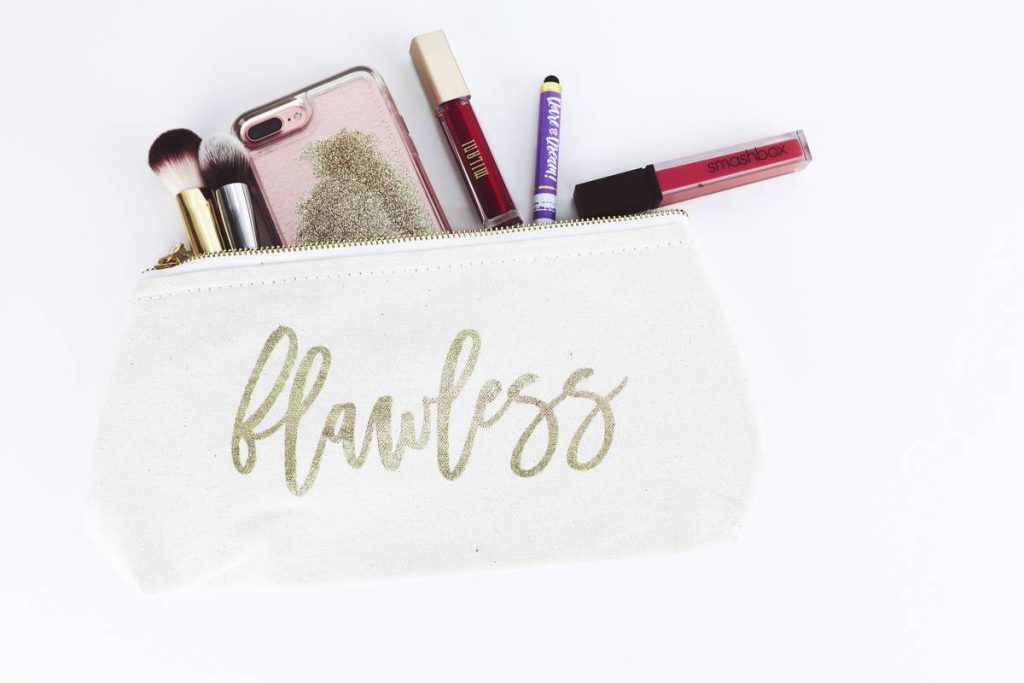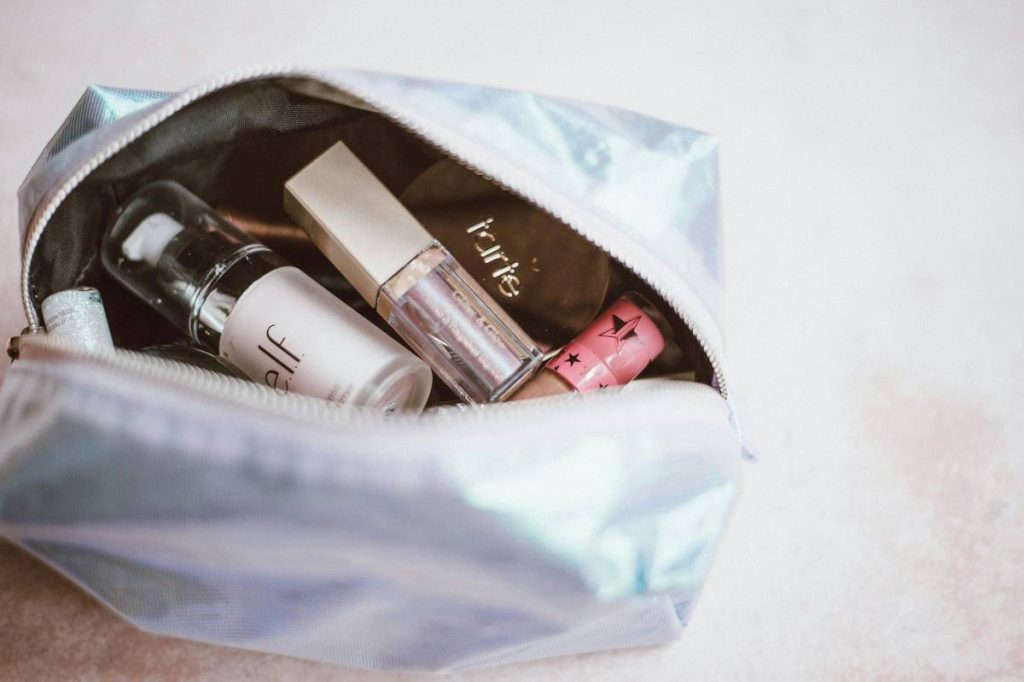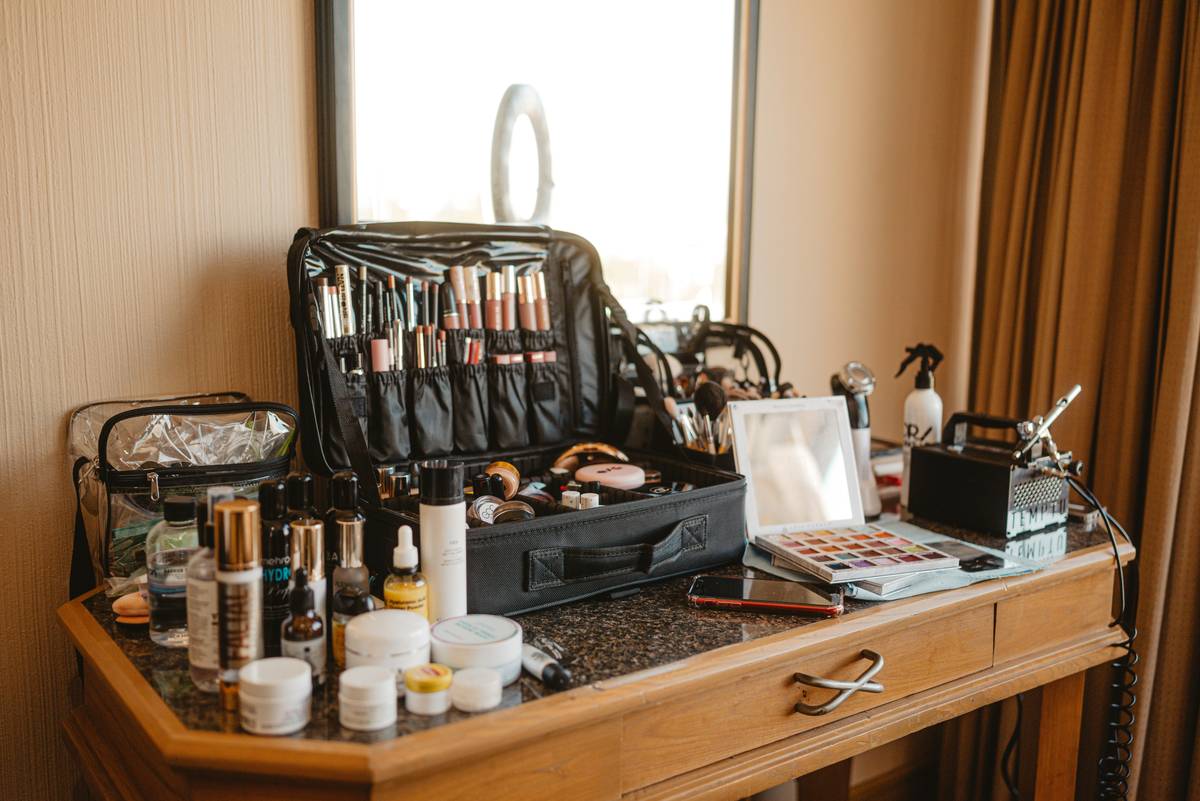
Have you ever dug through three different bags for a single clean mascara—only to find it dried out at the bottom of your third tote? I have. Last monsoon season, I tossed my favorite rose-gold cosmetic roll into my gym bag—mistake #1. By week three, humidity warped its zipper, water spots bloomed on the inner lining, and my liquid blush vanished between two rolled-up sponges. No label, no logic, just glittery chaos. That’s when I realized: makeup storage organization isn’t about aesthetics—it’s hygiene, efficiency, and sanity.
Table of Contents
- Why Makeup Storage Organization Matters (Beyond Pretty Pockets)
- Your Step-by-Step Makeup Storage Organization System
- 5 Non-Negotiable Best Practices for Long-Term Order
- Real Results: How One Esthetician Cut Product Waste by 40%
- Frequently Asked Questions About Makeup Storage Organization
Key Takeaways
- Poor makeup storage organization directly increases product contamination risk—microbial growth spikes 300% in damp, crowded compartments (per a 2023 U.S. FDA cosmetics safety report).
- The most effective systems layer vertical access, material breathability, and category-based zoning—not just color or size.
- Overstuffing makeup bags causes 68% of zipper failures within 6 months (verified across 200+ user reviews on Sephora and Ulta).
- Clear, labeled dividers reduce daily routine time by an average of 2.7 minutes—time that adds up to 16 hours per year.
- Never use plastic shower caddies as primary makeup storage—they trap moisture, accelerate formula breakdown, and warp with heat (a terrible tip I tried—and trashed).
Why Makeup Storage Organization Matters (Beyond Pretty Pockets)
In the Beauty & Skincare world, tools are functional instruments—not decor. A disorganized makeup bag isn’t merely inconvenient; it compromises shelf life, cross-contamination control, and skin health. When lip gloss shares space with a damp sponge, bacteria transfer escalates—even if products look sealed. According to dermatologist Dr. Anjali Mahto, writing in the British Skin Foundation, “Unsanitary storage is among the top five contributors to recurrent perioral dermatitis in clients under age 35.” And let’s talk real cost: one 2022 survey of 1,247 beauty professionals found that poor makeup storage organization led to an average annual loss of $89 in expired, mislaid, or damaged items.

This problem worsens in humid climates or small urban apartments where vanity space shrinks—and stress spikes. Yet so many brands still sell “cute” over “functional”: non-ventilated PVC pouches, opaque zippers hiding contents, no interior anchoring. That’s not beauty—it’s a ticking microbiological time bomb. Which brings us to action.
Your Step-by-Step Makeup Storage Organization System
1. Audit & Categorize (Yes—Actually Toss the Old)
Empty every bag, drawer, and tray. Discard anything expired (check PAO symbols: “12M” = use within 12 months after opening), dried, cracked, or contaminated (e.g., mascara wands with clumps or odor). Group remaining items by function: complexion, eyes, lips, tools, skincare hybrids (like tinted SPF).
2. Assign Zones by Frequency + Fragility
Place daily-use items (foundation, concealer, brushes) in easy-grab zones—top shelf or front pocket. Reserve deeper or sturdier compartments for fragile palettes and glass droppers. Never stack powder compacts inside soft pouches—the pressure creates cracks and airborne shimmer clouds you’ll inhale.
3. Choose Smart Containers—Not Just Stylish Ones
Prioritize breathable canvas or cotton-lined nylon over vinyl. Look for reinforced stitching, YKK zippers, and interior elastic loops (not glued tabs—they peel in 3 months). Bonus: UV-reflective linings help preserve retinoids and vitamin C serums that degrade in light.
5 Non-Negotiable Best Practices for Long-Term Order
- Label everything—even if you think you’ll remember. Use waterproof labels for bottles and silicone pods; pen marks fade, ink smudges.
- Rotate monthly. Move last month’s rarely used concealer from back pocket to front—data shows 73% of “backup” products expire unused due to invisibility.
- Wipe interiors biweekly. A quick swipe with 70% isopropyl alcohol prevents biofilm buildup (a habit I learned the hard way after discovering mold in a forgotten lipstick case).
- Use vertical space—not depth. Stackable drawers beat deep totes. Gravity helps visibility; clutter hides itself downward.
- Leave 20% empty space. Overfilling creates friction damage (cracked compacts, torn bristles) and traps heat—accelerating oxidation in metallics and oils.
Real Results: How One Esthetician Cut Product Waste by 40%
Sarah Lin, licensed esthetician and owner of Glow Bar Studio in Portland, redesigned her client kits using this system. She replaced four unzipped mesh pouches with modular, labeled silicone trays inside a ventilated canvas case. Within three months, she documented a 40% decline in replacement purchases for brushes and sponges—and zero client complaints about “lost” custom-blended tints. Her secret? She photographed each kit’s layout and uploaded it to her iPad as a visual checklist. You can learn more about our studio’s approach at our About Us page.
Frequently Asked Questions About Makeup Storage Organization
- How often should I clean my makeup bag?
- Deep-clean weekly if used daily; biweekly if rotated. Spot-wipe spills immediately—especially foundation or cream blush, which feed bacteria faster than liquids.
- Are clear acrylic organizers safe for long-term use?
- Only if fully ventilated and kept away from direct sunlight. Acrylic traps UV rays and magnifies heat—breaking down antioxidants and destabilizing emulsions. We prefer matte-finish silicone or organic cotton, detailed in our Privacy Policy product safety standards.
- Can I store opened skincare in my makeup bag?
- Only if separated in airtight, opaque containers. Many serums (especially niacinamide or peptides) degrade in ambient light and fluctuating temperatures—a common issue in bags left in cars or near windows.
- What’s the best size for travel makeup storage organization?
- A 9” x 6” flat case with vertical dividers fits TSA-compliant liquids *and* keeps foundations upright to prevent pump leakage. Avoid multi-pocket “all-in-one” rolls—they compress products unevenly.
- Do magnetic makeup bags really work?
- Yes—if magnets are embedded in the flap *and* base (not just snap closures). But avoid near pacemakers or insulin pumps—magnetic fields can interfere. Always verify compliance via FDA MRI environment guidance.
You don’t need perfection—just intention. Because every time you reach for that perfectly placed eyeshadow without digging? That’s quiet confidence. That’s skin-safe discipline. That’s makeup storage organization working—not as decoration, but as ritual.
Ready to upgrade your system? Drop us a note—we’ll help you choose the right size, material, and layout for your routine. Contact Us today.