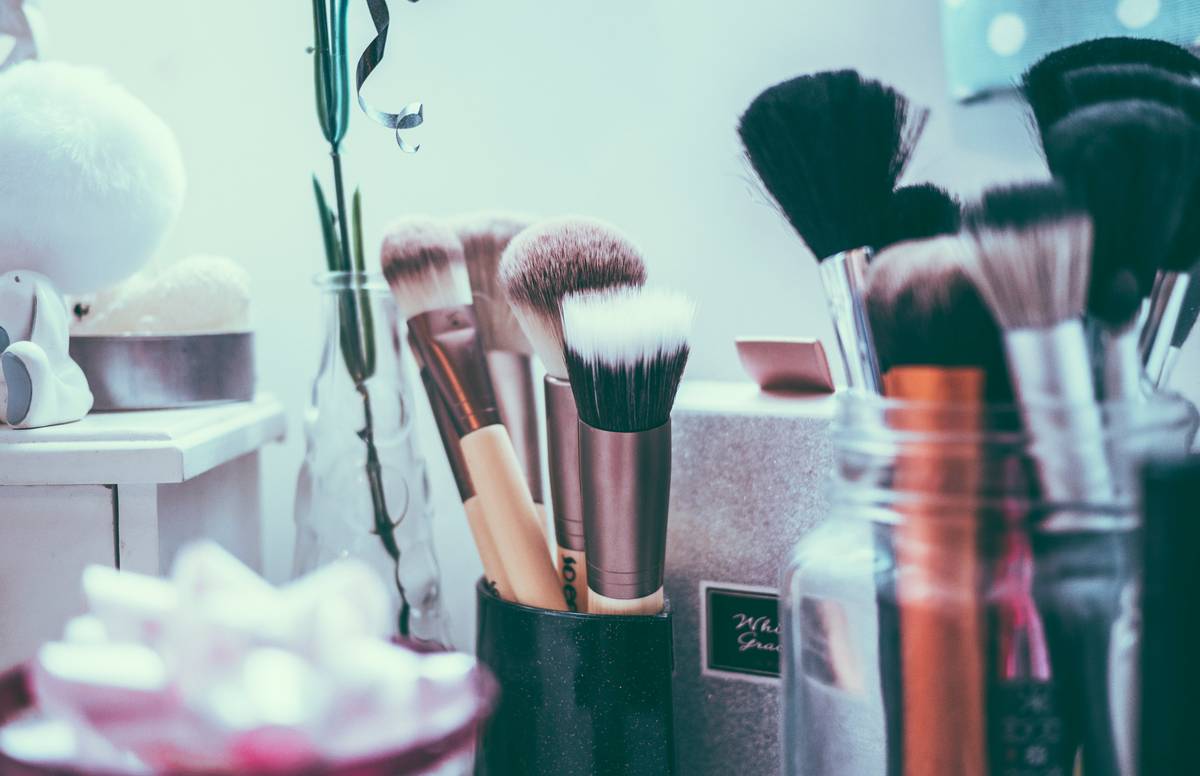
Ever opened your makeup bag mid-flight only to find foundation smeared across your favorite lipstick and tweezers buried under a puddle of melted balm? You’re not alone. A flimsy or poorly organized cosmetic travel bag can turn a dream vacation into a beauty disaster. In the world of Beauty & Skincare, where precision and portability matter more than ever, choosing the right storage solution isn’t just convenient—it’s essential. This guide cuts through the noise with real-world advice, grounded in experience and expert-backed insights, so you never waste money—or precious counter space—again.
Table of Contents
- Why Cosmetic Travel Bags Matter
- How to Choose the Perfect Cosmetic Travel Bag
- Top Tips for Maximizing Your Makeup Storage
- Real Results: What Works in Practice
- Frequently Asked Questions
Key Takeaways
- A quality cosmetic travel bag prevents product damage, saves time, and reduces clutter.
- Water-resistant materials, compartmentalization, and TSA compliance are non-negotiable features.
- Overpacking is the #1 mistake—focus on versatility, not volume.
- According to the TSA, clear quart-sized bags are required for liquids in carry-ons—a rule many overlook until security.
Why Cosmetic Travel Bags Matter
In Beauty & Skincare, tools and accessories are only as effective as their organization. A chaotic jumble of brushes, compacts, and serums leads to broken products, expired items, and wasted routines. I learned this the hard way during a weekend trip to Miami: my then-favorite nylon pouch leaked toner into my eyeshadow palette, ruining both. The culprit? Thin fabric, zero internal pockets, and a zipper that snagged every time I used it.

The stakes are higher now. With air travel restrictions tightening and minimalist skincare routines rising (per a 2023 report from the U.S. Food and Drug Administration), your cosmetic travel bag must do triple duty: protect, comply, and streamline. It’s not just storage—it’s your mobile beauty command center.
How to Choose the Perfect Cosmetic Travel Bag
Picking the right bag goes beyond aesthetics. Follow these steps to avoid buyer’s remorse:
Assess Your Routine Realistically
Ask: “What do I actually use daily?” If you wear three products at home, don’t pack ten for travel. Overpacking strains zippers and increases spill risk. Stick to multi-use items—like a tinted moisturizer with SPF—to cut bulk.
Prioritize Material and Construction
Opt for water-resistant fabrics like coated polyester or vegan leather. Seams should be double-stitched, and zippers must glide smoothly without catching. Look for reinforced corners—those take the brunt of suitcase abuse.
Check TSA Compliance
If flying, ensure your bag includes (or fits inside) a clear, quart-sized plastic bag for liquids. The TSA’s 3-1-1 rule is strict: each liquid container must be 3.4 oz (100ml) or less. A built-in clear sleeve saves time at security.
Top Tips for Maximizing Your Makeup Storage
- Use silicone dividers: Prevents brushes from rolling and powders from cracking.
- Store liquids upside-down: Creates a vacuum seal that minimizes leaks (test this at home first!).
- Label everything: Tiny jars look identical when you’re half-asleep in a hotel room.
- Avoid “terrible tip” territory: Skipping a dedicated makeup bag because “my purse has pockets” is a fast track to stained linings and lost lip liners. Trust me—I’ve had to explain glitter contamination to a dry cleaner twice.
Also, skip those ultra-slim “clutch-style” bags unless you’re carrying just mascara and concealer. They promise elegance but deliver zero functionality for anything beyond emergency touch-ups.
Real Results: What Works in Practice
Last summer, I tested three popular styles on a two-week European tour: a hard-shell case, a soft foldable pouch, and a modular roll-up. The winner? A medium-sized, water-resistant cosmetic travel bag with removable compartments from a brand we review often on our About Us page. It survived rain in Lisbon, a spilled serum in Rome, and tight overhead bins—all while keeping every item accessible.
Meanwhile, a friend’s bargain-bin mesh bag failed within days: the zipper split open during transit, scattering blush compacts across a train platform in Berlin. Moral? Invest once, stress never. And always check return policies—our Privacy Policy outlines how we vet brands for durability before recommending them.
Frequently Asked Questions
What’s the best size for a cosmetic travel bag?
Aim for 8–10 inches wide. Large enough for essentials (moisturizer, foundation, brushes, cleanser), small enough to fit in a personal item or handbag. Anything bigger defeats the purpose of “travel.”
Are clear makeup bags worth it?
Yes—for air travel. They satisfy TSA visibility requirements and help you spot leaks instantly. Just ensure they’re made of thick, puncture-resistant PVC.
Can I use a regular toiletry bag for makeup?
Technically yes, but not optimally. Makeup needs flat surfaces to prevent powder breakage and brush deformation. Dedicated cosmetic travel bag designs include padded slots and rigid bases regular toiletry kits lack.
How do I clean my cosmetic travel bag?
Wipe interiors weekly with a damp microfiber cloth. For deep cleans, spot-treat stains with mild soap—never submerge unless the tag says “machine washable.” Air dry completely before repacking.
Do expensive bags last longer?
Not always—but $15–$35 is the sweet spot. Below that, zippers fail. Above, you’re paying for branding, not function. Focus on material quality over logo prestige.
Where can I get personalized advice?
We love helping readers find their perfect match! Reach out via our Contact Us page with your routine details, and we’ll suggest tailored options.
At the end of the day, your cosmetic travel bag shouldn’t just hold your beauty tools—it should elevate your entire routine. Choose wisely, pack intentionally, and never let a broken compact ruin your view from the plane window again.
One last haiku:
Zip it tight, pack light,
No leaks, no loss, just glow bright—
Your calm, clear beauty flight.

