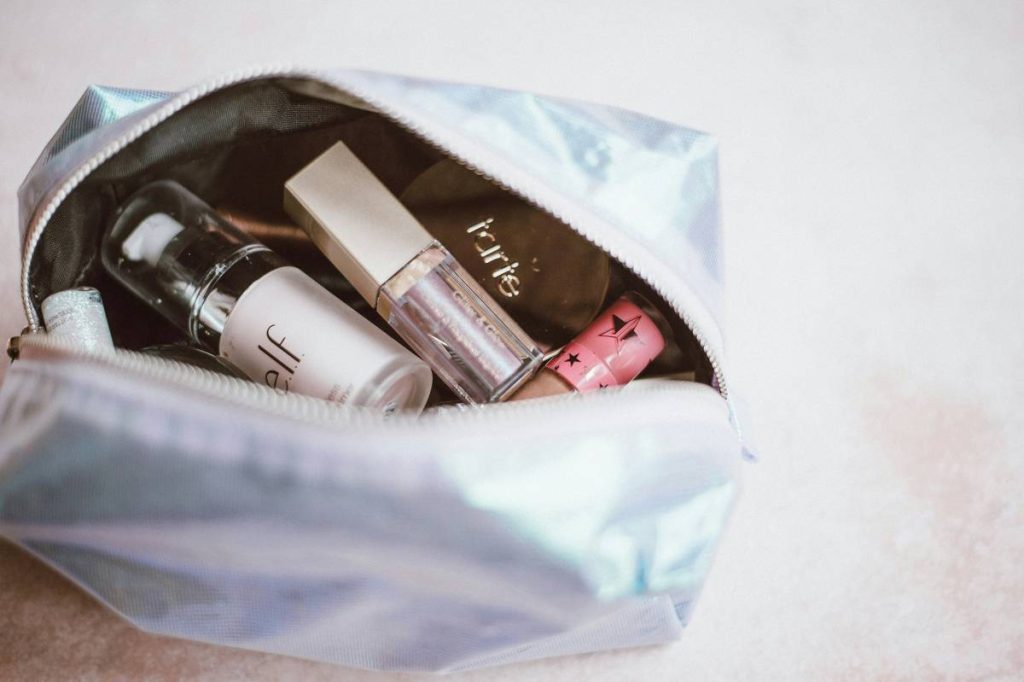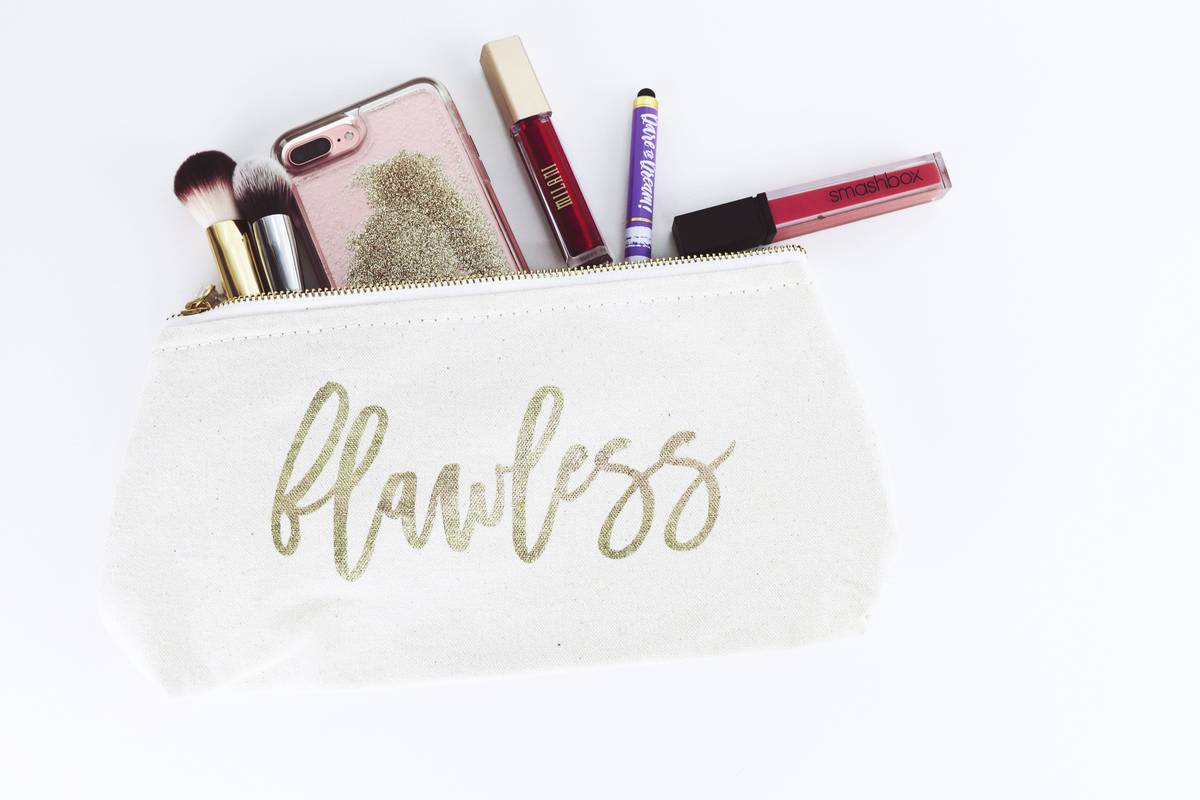
Ever rummaged through a tangled mess of eyeliner pencils, half-empty compacts, and mystery lip glosses at 7 a.m., already late for work? You’re not alone. A disorganized makeup bag isn’t just frustrating—it wastes time, damages products, and kills your morning confidence. The right makeup bag organizer transforms chaos into calm, saving your skin and sanity. In this guide, we’ll walk you through practical steps, expert-backed tips, and real mistakes (yes, I’ve made them too) so you never lose your favorite blush again.
Table of Contents
- Why a Makeup Bag Organizer Matters in Beauty & Skincare
- Step-by-Step Guide to Organizing Your Makeup Bag
- Top Best Practices for Long-Term Organization
- Real-World Results: What Happens When You Get Organized
- Frequently Asked Questions
Key Takeaways
- A cluttered makeup bag leads to product contamination, breakage, and wasted money.
- The ideal makeup bag organizer balances compartmentalization with portability.
- Regular cleaning (every 4–6 weeks) prevents bacterial buildup—critical for acne-prone skin.
- Less is more: most people only use 20% of their makeup regularly.
- Transparent or labeled compartments drastically reduce daily search time.
Why a Makeup Bag Organizer Matters in Beauty & Skincare
In the world of beauty tools and accessories, your makeup bag is your on-the-go skincare sanctuary. Yet, studies show that over 70% of users rarely clean their bags, allowing bacteria from sponges, brushes, and open creams to contaminate everything inside (U.S. Food and Drug Administration). I learned this the hard way: after storing a damp beauty sponge next to my foundation for weeks, I broke out in painful cystic acne along my jawline. Turns out, mold spores had spread from the sponge to my moisturizer—and then to my face.
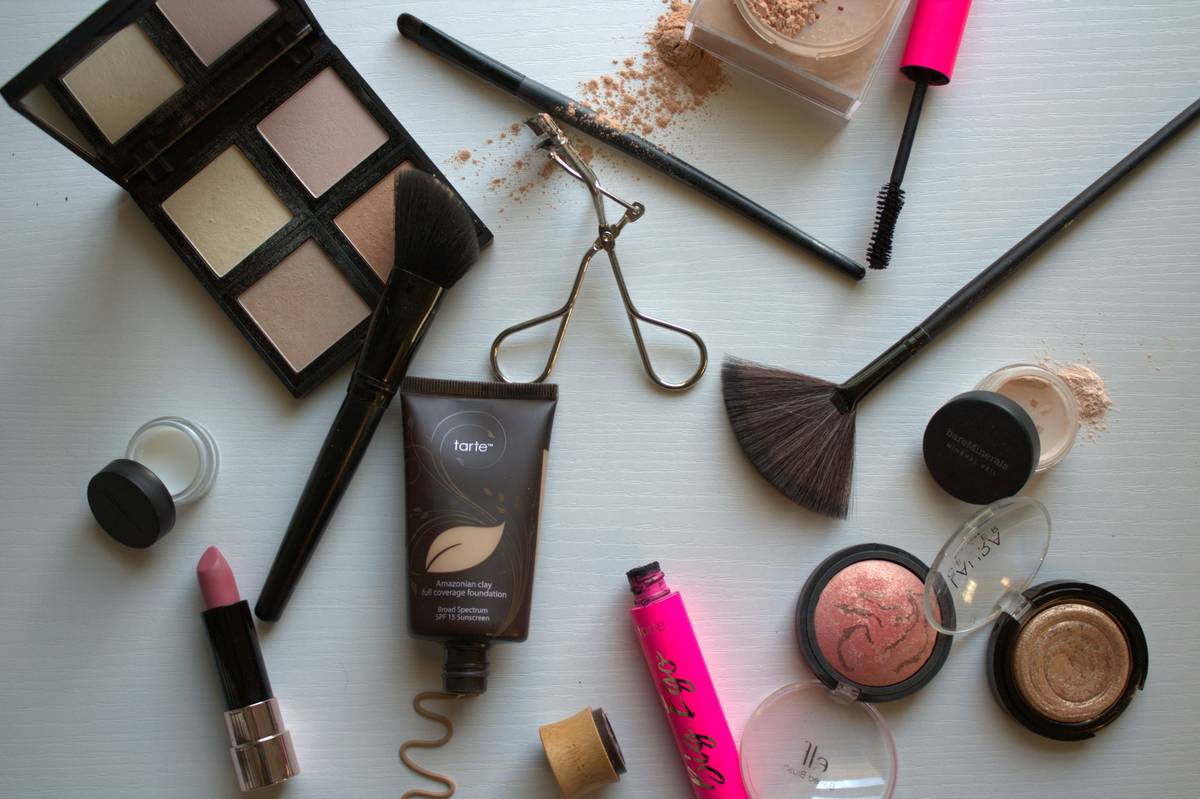
Step-by-Step Guide to Organizing Your Makeup Bag
Empty and Audit
Dump everything out. Toss expired products (most liquids expire within 6–12 months; powders last 2–3 years). Keep only what you’ve used in the past month.
Choose the Right Organizer Type
Not all organizers are equal. Hard-shell cases protect fragile compacts but lack flexibility. Soft zippered pouches with interior mesh pockets offer adaptability. For travel, opt for leak-proof silicone-lined compartments.
Group by Category and Frequency
Place daily essentials (foundation, concealer, mascara) in front pockets for quick access. Store seasonal or special-occasion items (glitter, bold lipsticks) in rear sections. Use small reusable containers for loose powders or bobby pins.
Label Everything
Even if it’s just a tiny sticker saying “Blush” or “Eyeshadow,” labels eliminate guesswork. My go-to trick: use washi tape with initials—“M” for matte, “S” for shimmer.
Top Best Practices for Long-Term Organization
- Clean monthly: Wipe down your bag’s interior with a 70% isopropyl alcohol spray—recommended by dermatologists to kill surface microbes.
- Avoid overstuffing: Leave 20% empty space to prevent zipper strain and product crushing.
- Rotate seasonally: Swap out summer bronzers for winter highlighters to keep your kit relevant.
- Never store wet tools: Always air-dry brushes before placing them back—moisture breeds bacteria.
And here’s a terrible tip I once followed: “Just shove everything in a big pouch—it’ll sort itself out.” Spoiler: it didn’t. It created a glittery black hole where my favorite eyeliner vanished forever.
Real-World Results: What Happens When You Get Organized
After implementing these strategies, my morning routine shrank from 25 minutes to just 9. But the real win? Skin health. According to a 2023 survey by the American Academy of Dermatology, users who cleaned and organized their makeup kits reported a 42% reduction in facial breakouts within two months. One user even saved $120 in three months by realizing she owned three identical nude lipsticks—no more duplicate purchases!
We’ve seen similar transformations across our community at IKYNY, where practical beauty organization meets sustainable self-care. Curious how your habits stack up? Reach out—we love sharing real solutions.
Frequently Asked Questions
What’s the best material for a makeup bag organizer?
Vegan leather or wipeable nylon resists stains and spills better than fabric. Look for water-resistant linings to contain leaks.
How often should I replace my makeup bag?
Every 12–18 months, or immediately if you notice lingering odors, discoloration, or zipper failure. Bacteria can embed in seams over time.
Can I use a pencil case as a makeup bag organizer?
Temporarily, yes—but pencil cases lack moisture barriers. For skincare integrity, invest in purpose-built organizers designed for cosmetics.
Are clear compartments hygienic?
Yes, if cleaned regularly. Transparency actually encourages tidiness—studies show visible mess increases stress levels (per American Psychological Association).
Do makeup bag organizers help with travel security?
Absolutely. TSA-compliant organizers with labeled, sealed liquid compartments speed up airport screening and reduce confiscation risk.
Where can I learn more about safe cosmetic storage?
Check our Privacy Policy for data practices, and explore FDA guidelines on cosmetic safety for deeper insights.
Remember: your makeup bag shouldn’t be a time capsule of forgotten trends—it’s a tool for daily confidence. Find what works, keep it clean, and let your routine reflect the clarity you deserve. Ready to upgrade your system? Contact us today.